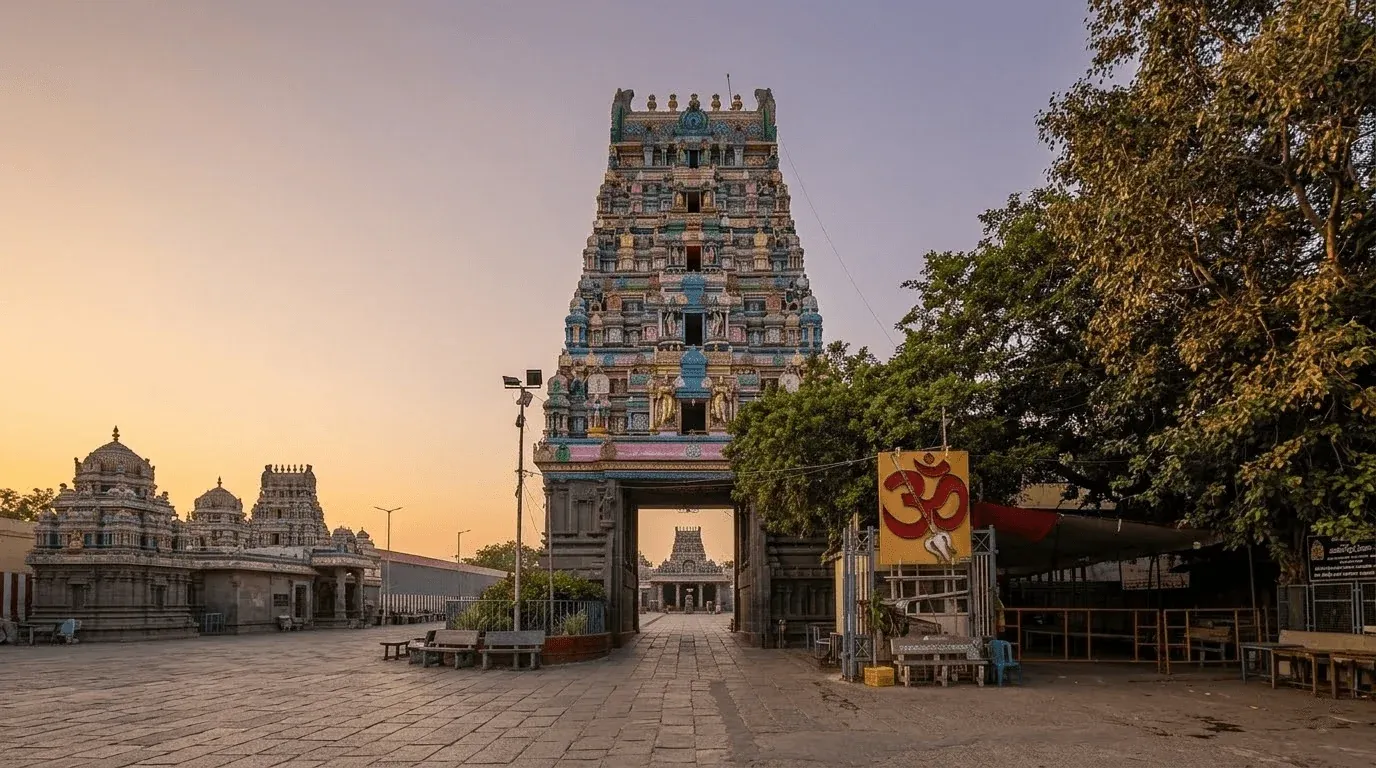
Perched majestically on the seven hills of Tirumala, the Tirupati Balaji Temple, also known as the Sri Venkateswara Swamy Temple, stands as one of the most revered pilgrimage sites in Hinduism. This ancient temple, dedicated to Lord Venkateswara (an incarnation of Lord Vishnu), attracts millions of devotees from across the globe who seek blessings and spiritual solace. The temple's magnificent Dravidian architecture, coupled with its profound religious significance and the divine aura that permeates its sacred precincts, makes it an unparalleled spiritual destination that embodies the essence of devotion, faith, and ancient Indian temple architecture.
Tirupati Balaji Temple
Sacred Abode of Lord Venkateswara
A Glimpse into the History of Tirupati Balaji Temple
Ancient Origins
The temple's origins trace back to ancient times, with references found in various Puranas and ancient scriptures. Historical evidence suggests the temple existed as early as the 9th century CE, though many believe its divine presence dates back to the beginning of the Kali Yuga, making it one of the oldest continuously worshipped temples in India.
Vijayanagara Empire Patronage
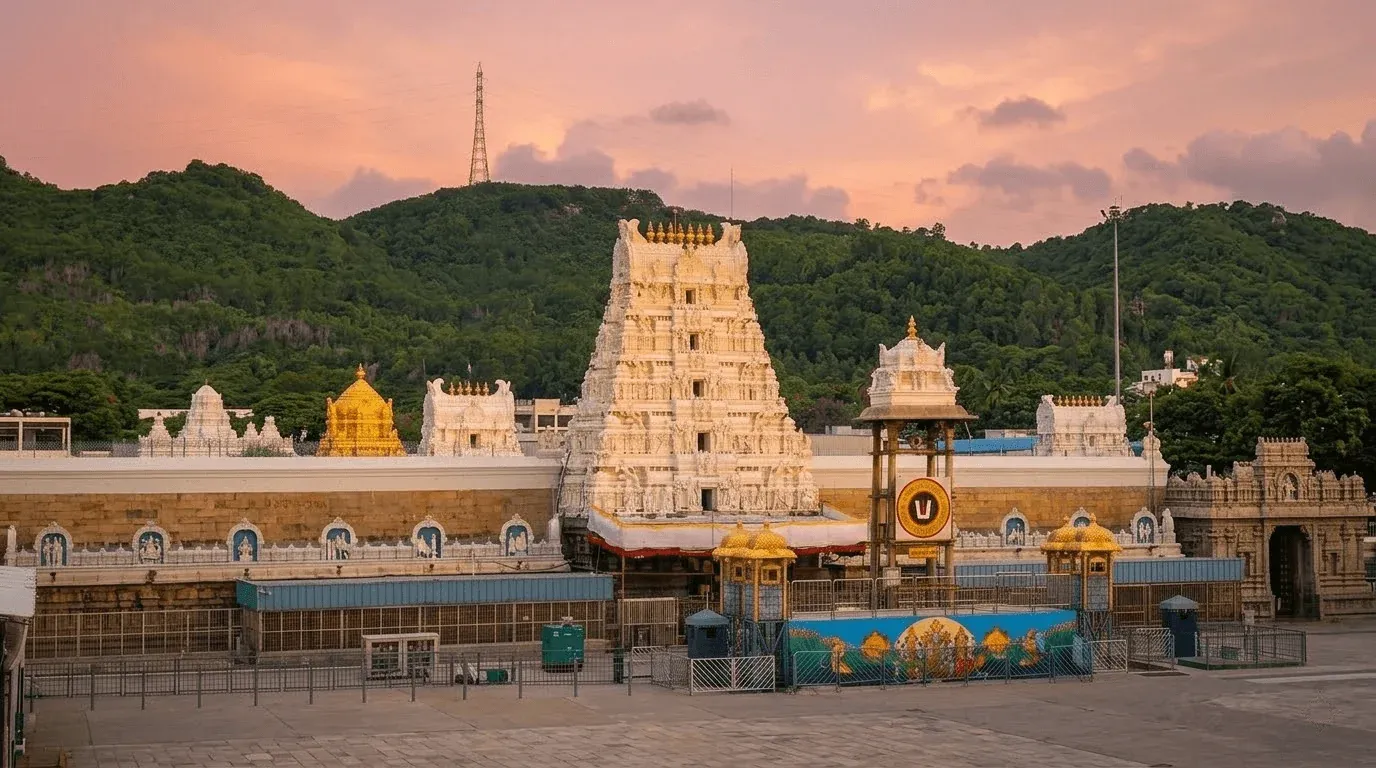
The temple reached its zenith during the Vijayanagara Empire (14th-16th centuries), when emperors like Krishnadevaraya contributed significantly to its expansion and beautification. The magnificent gopurams (towering gateways) and mandapams (pillared halls) were constructed during this golden era, establishing the temple's architectural grandeur.
Modern Development
In recent centuries, the temple has seen tremendous development under various dynasties and the modern Tirumala Tirupati Devasthanams (TTD) board. Today, it stands as one of the wealthiest religious institutions in the world, combining ancient traditions with modern facilities to serve millions of devotees annually.
Spiritual Significance
Tirupati Balaji Temple holds immense spiritual significance as the abode of Lord Venkateswara, believed to be the supreme deity who grants wishes and removes obstacles in devotees' lives. The temple is considered one of the 108 Divya Desams (sacred Vishnu temples) mentioned in the works of the Alwar saints. The unique idol of Lord Venkateswara, adorned with precious jewels and flowers, is believed to self-manifest and possesses divine powers that attract millions seeking spiritual blessings, prosperity, and salvation. The temple's location on the seven hills (Saptagiri) symbolizes the seven serpent hoods of Adi Sesha, adding to its mystical and spiritual aura.
Major Festivals at Tirupati Balaji Temple
Brahmotsavam
The Brahmotsavam, celebrated annually in September-October, is the most important festival at Tirupati, spanning nine days of elaborate rituals, processions, and cultural programs. The festival features the grand procession of Lord Venkateswara on various vahanas (vehicles) and attracts millions of devotees who witness the divine celebrations.
Vaikunta Ekadasi
Celebrated in December-January, Vaikunta Ekadasi marks the opening of the Vaikunta Dwaram (Heaven's Gate) at the temple. Devotees believe that passing through this special entrance on this auspicious day grants them liberation from the cycle of birth and death, making it one of the most spiritually significant events.
Special Highlight: Laddu Prasadam
The world-famous Tirupati Laddu, offered as prasadam (blessed food) to devotees, is a unique culinary and spiritual highlight of the temple. This sweet delicacy, prepared in the temple's massive kitchen using traditional methods and secret recipes passed down through generations, has geographical indication (GI) tag protection. Each day, thousands of laddus are prepared and distributed to devotees, symbolizing the divine blessing of Lord Venkateswara. The distinct taste, aroma, and spiritual significance of the Tirupati Laddu make it a cherished souvenir for millions of pilgrims who visit the temple.
Travel Guide to Tirupati Balaji Temple
How to Reach Tirupati
By Air: The nearest airport is Tirupati Airport, approximately 15 km from the temple. Regular flights connect Tirupati to major cities like Hyderabad, Chennai, and Bangalore.
By Train: Tirupati Railway Station is well-connected to major cities across India. The railway station is about 20 km from the temple base.
By Road: Excellent road connectivity from Chennai (150 km), Bangalore (250 km), and Hyderabad (570 km). Regular bus services and taxis are available.
Best Time to Visit
The ideal time to visit is from September to March when the weather is pleasant. Avoid peak festival seasons and weekends if you prefer shorter queues. Early morning darshan (6 AM - 9 AM) generally has shorter waiting times.
Temple Facilities
Darshan Types: Free darshan, special entry darshan (Rs. 300), and special darshan (Rs. 500) with different queue durations.
Accommodation: TTD provides various guest houses and dormitories at reasonable rates.
Services: Free food, luggage storage, and medical facilities available.
Tips for Devotees and Travelers
Wear traditional attire - dhoti for men and saree/salwar kameez for women is mandatory for temple entry.
Photography and mobile phones are strictly prohibited inside the temple premises.
Carry water bottles and light snacks as waiting times can be long, especially during peak seasons.
Book darshan tickets online in advance through the TTD website to avoid long queues.
Temple Location
Image Gallery